
"Tanzanian coffee market"
500 article(s) found

Pure and fragrant Tanzanian coffee flavor, characteristics, taste and manor
Due to political instability and rampant diseases and insect pests, the coffee industry in Tanzania has been damaged, leading to a decline in the overall level of coffee and instability in quality, which in turn lead to lower prices, which are usually the result of a further decline in the coffee industry. What's more, it is estimated that more than 12% of the Arabica coffee grown in northern Tanzania from 1969 to 1985 has gone.

Fragrant and pure Tanzanian coffee flavor, characteristics, taste and manor
Due to political instability and rampant diseases and insect pests, the coffee industry in Tanzania has been damaged, leading to a decline in the overall level of coffee and instability in quality, which in turn lead to lower prices, which are usually the result of a further decline in the coffee industry. What's more, it is estimated that more than 12% of the Arabica coffee grown in northern Tanzania from 1969 to 1985 has gone.

Fragrant flavor pure Tanzanian coffee flavor, characteristics, taste and manor
Due to political instability and rampant diseases and insect pests, the coffee industry in Tanzania has been damaged, leading to a decline in the overall level of coffee and instability in quality, which in turn lead to lower prices, which are usually the result of a further decline in the coffee industry. What's more, it is estimated that more than 12% of the Arabica coffee grown in northern Tanzania from 1969 to 1985 has gone.

Tanzania boutique coffee bean flavor taste Kilimanjaro coffee
Tanzanian coffee was first introduced by Christian neighboring Kenya, and began to be planted at the foot of Mount Kilimanjaro. Some coffee trees are more than 100 years old. In the past, the Tanzanian coffee industry has been dominated by manor cultivation. Now more than 55% are grown by small farmers. Many small farmers form cooperative organizations, the most important of which is the Kilimanjaro Cooperative Federation.

Pure flavor, fragrant Tanzanian coffee flavor, characteristics, taste and manor introduction
Due to political instability and rampant diseases and insect pests, the coffee industry in Tanzania has been damaged, leading to a decline in the overall level of coffee and instability in quality, which in turn lead to lower prices, which are usually the result of a further decline in the coffee industry. What's more, it is estimated that more than 12% of the Arabica coffee grown in northern Tanzania from 1969 to 1985 has gone.

Introduction to the Global Coffee growers-- the characteristics of Tanzanian Coffee
Due to political instability and rampant diseases and insect pests, the coffee industry in Tanzania has been damaged, leading to a decline in the overall level of coffee and instability in quality, which in turn lead to lower prices, which are usually the result of a further decline in the coffee industry. What's more, it is estimated that more than 12% of the Arabica coffee grown in northern Tanzania from 1969 to 1985 was smuggled.

With soft acidity and attractive aroma, Tanzanian gourmet coffee is an absolutely worthwhile African essence.
Gourmet coffee has soft acidity and attractive aroma, which is absolutely worth enjoying. Coffee exports from Tanzania (Tanzania) play an important role in the whole national economy. Bean-shaped berry coffee is very productive and is said to be more fragrant than ordinary coffee. Generally speaking, the coffee beans in Tanzania have an extraordinary quality. For example, in the neighborhood of Kilimanja

Boutique coffee beans from Tanzania introduce the characteristics of Tanzanian coffee
Due to political instability and rampant diseases and insect pests, the coffee industry in Tanzania has been damaged, leading to a decline in the overall level of coffee and instability in quality, which in turn lead to lower prices, which are usually the result of a further decline in the coffee industry. What's more, it is estimated that more than 12% of the Arabica coffee grown in northern Tanzania from 1969 to 1985 was smuggled.
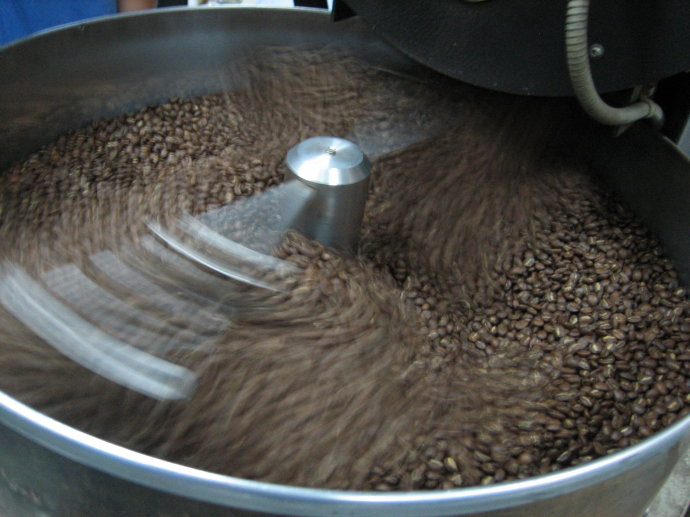
Introduction of pure flavor Tanzanian coffee varieties taste manor boutique coffee beans
Due to political instability and rampant diseases and insect pests, the coffee industry in Tanzania has been damaged, leading to a decline in the overall level of coffee and instability in quality, which in turn lead to lower prices, which are usually the result of a further decline in the coffee industry. What's more, it is estimated that more than 12% of the Arabica coffee grown in northern Tanzania from 1969 to 1985 has gone.
Tanzania Coffee introduces the characteristics of Tanzanian Coffee Tanzania Coffee quality Tanzania
Due to political instability and rampant diseases and insect pests, the coffee industry in Tanzania has been damaged, leading to a decline in the overall level of coffee and instability in quality, which in turn lead to lower prices, which are usually the result of a further decline in the coffee industry. What's more, it is estimated that more than 12% of the Arabica coffee grown in northern Tanzania from 1969 to 1985 was smuggled.

Tanzania Coffee Flavor and Taste introduction Kilimanjaro Coffee Bean
Tanzanian coffee was first introduced by Christian neighboring Kenya, and began to be planted at the foot of Mount Kilimanjaro. Some coffee trees are more than 100 years old. In the past, the Tanzanian coffee industry has been dominated by manor cultivation. Now more than 55% are grown by small farmers. Many small farmers form cooperative organizations, the most important of which is the Kilimanjaro Cooperative Federation.

Characteristics of Tanzania coffee beans, description of Tanzania coffee beans flavor
Following Cafe Review (Wechat official account vdailycom) found that Tanzania Coffee, a small shop of its own, has long been loved by Europeans and joined the ranks of famous products. Europeans give Tanzania a nickname for coffee gentleman, and Chinese coffee connoisseurs call it the coffee swordsman with the coffee king Blue Mountain and the coffee lady's mocha.

A brief introduction to the market price of pure, straightforward and enthusiastic high-quality coffee beans in Tanzania
Drinking Tanzanian coffee, especially the small round bean peaberry, is always impressive. Coffee is like the simple, frank and enthusiastic national character of Tanzania. Its refreshing acidity and medium mellowness complement sweet citrus and floral aromas. This coffee tastes great whether it's a hot drink or iced coffee. With oranges or berries, it can show its bright flavor. you

Characteristics of Tanzania coffee beans Tanzania coffee producing areas
Due to political instability and rampant diseases and insect pests, the coffee industry in Tanzania has been damaged, leading to a decline in the overall level of coffee and instability in quality, which in turn lead to lower prices, which are usually the result of a further decline in the coffee industry. What's more, it is estimated that more than 12% of the Arabica coffee grown in northern Tanzania from 1969 to 1985 has gone.

Introduction to Tanzania boutique coffee: characteristics, flavor and taste of Tanzania boutique coffee
Tanzania coffee features: flavor: rich and refreshing, acidity lower than Kenya coffee, pure flavor, aroma overflowing suggested baking method: moderate baking ★★: good due to political instability, coupled with rampant diseases and insect pests, Tanzania coffee industry has been damaged, leading to the overall level of coffee and quality instability, these problems lead to lower prices, and lower prices

Pure flavor, aroma overflowing with Tanzanian coffee flavor, characteristics, taste and manor introduction
Due to political instability and rampant diseases and insect pests, the coffee industry in Tanzania has been damaged, leading to a decline in the overall level of coffee and instability in quality, which in turn lead to lower prices, which are usually the result of a further decline in the coffee industry. What's more, it is estimated that more than 12% of the Arabica coffee grown in northern Tanzania from 1969 to 1985 has gone.

How about Tanzanian coffee beans? how much is a kilo of coffee beans?
Due to political instability and rampant diseases and insect pests, the coffee industry in Tanzania has been damaged, leading to a decline in the overall level of coffee and instability in quality, which in turn lead to lower prices, which are usually the result of a further decline in the coffee industry. What's more, it is estimated that more than 12% of the Arabica coffee grown in northern Tanzania from 1969 to 1985
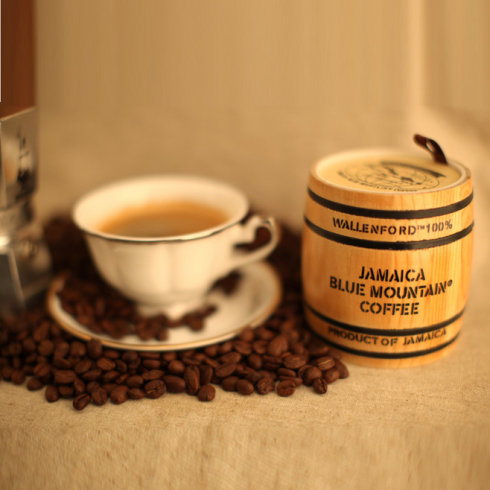
The flavor, characteristics, taste and manor of Tanzanian coffee with fragrant and pure flavor.
Due to political instability and rampant diseases and insect pests, the coffee industry in Tanzania has been damaged, leading to a decline in the overall level of coffee and instability in quality, which in turn lead to lower prices, which are usually the result of a further decline in the coffee industry. What's more, it is estimated that more than 12% of the Arabica coffee grown in northern Tanzania from 1969 to 1985 has gone.

An introduction to the Fine Coffee of Tanzania the flavor characteristics of Tanzanian coffee
Due to political instability and rampant diseases and insect pests, the coffee industry in Tanzania has been damaged, leading to a decline in the overall level of coffee and instability in quality, which in turn lead to lower prices, which are usually the result of a further decline in the coffee industry. What's more, it is estimated that more than 12% of the Arabica coffee grown in northern Tanzania from 1969 to 1985 was smuggled.

Variety of Full-Granulated Tanzanian Coffee Beans Treatment Flavor Description Estate Profile
Rainfall types are divided into bimodal distribution and unimodal distribution. The areas with bi-modal rainfall distribution include the provinces around Lake Victoria Basin, the northeast highlands, the coast and the northeast inland. The bi-modal rainfall distribution area is characterized by two long and short rainy seasons. The short rainy season occurs from September to December, and the total rainfall can reach 200-500 mm. The long rainy season occurs from March to May.